
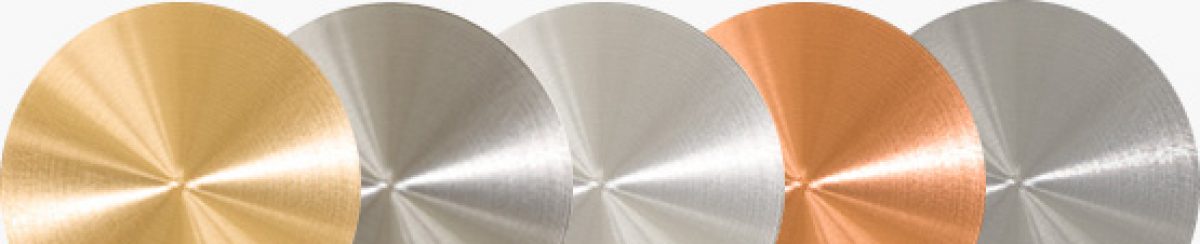
Last week, we talked about the discovery of Titanium, which raised many interest. So we decide to start a history column, aiming at introducing the discovery of different kinds of metals. If you are a metal lover or history lover, you can follow our website. For previous posts of this column please search the keyword “history”. So let’s get down to the point. Today SAM Sputter Targets will teach you the history lesson of Niobium.
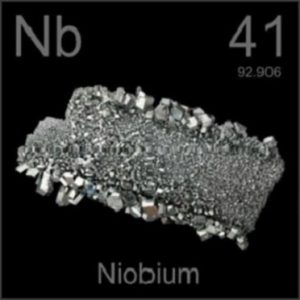 SAM®Niobium, often found in the minerals pyrochlore and columbite, is a silver-gray, soft and ductile rare metal with high melting point. At normal temperature, niobium does not react with air, but it can directly combine with sulfur, nitrogen and carbon at high temperatures to form NbS2, NbN and NbC. Niobium does not react with inorganic acids or alkalis, and is insoluble in aqua regia, but soluble in hydrofluoric acid. Because of its good superconductivity, high melting point, corrosion resistance and wear resistance, niobium is widely used in steel, superconducting materials, aerospace, atomic energy and other fields.
Continue reading “How was niobium discovered? | History of Niobium”
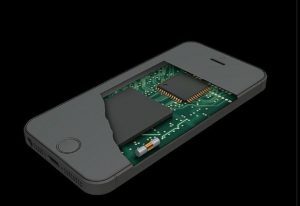
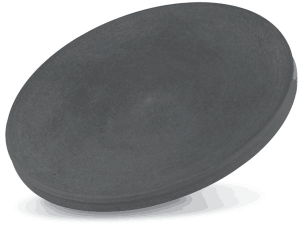
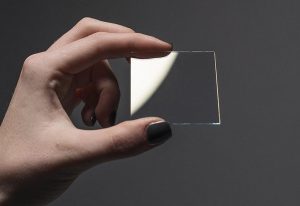
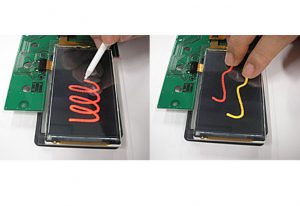 Resistive screens and capacitive screens are the two main kinds of mobile screens on the market today. Generally speaking, resistive screen phones can be operated with a finger or a stylus; while capacitive screen phones can only be operated with fingers and cannot be operated with ordinary stylus, but we can use a dedicated capacitive screen stylus to substitute the finger to operate; while the resistive screen phone can be operated with a finger or a stylus. Why do they have such a difference? Is it related to their working principle? Let’s
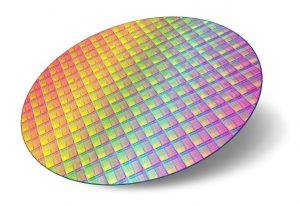
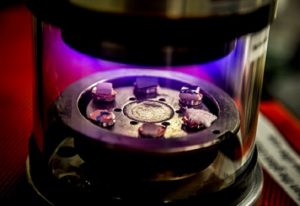 First, let’s take a look at the definition of these two words. The vacuum evaporation is carried out by means of resistance heating, electron beam or laser bombardment in an environment with a vacuum of not less than 10-2 Pa, and the